Ping Pong Strategy: How to Outthink Every Opponent (2026)
 By Harshwardhan · Updated
In This Article
- What Ping Pong Strategy Really Means
- Build Every Point From the Serve
- Placement: Where to Hit the Ball
- Vary Spin, Speed and Length
- Tactics Against Different Playing Styles
- Doubles Tactics in Brief
- The Mental Game
- How to Win More Points Against Friends and at the Club
- Common Tactical Mistakes
- Putting Your Strategy Together
- Frequently Asked Questions
What Ping Pong Strategy Really Means
Good ping pong strategy comes down to three things: use your serve to set up an attack, put the ball where your opponent is weakest, and change spin and pace so they can never settle. Most points are lost to errors, not won by winners, so a sound plan makes your opponent miss more often than you do.
Technique decides how well you hit the ball. Tactics decide where, when and with what spin. A player with modest strokes and a clear plan regularly beats a player with better strokes and no plan, both in the basement and at the club.
Key Takeaways
- Serve: Your one fully controlled shot. Plan the next ball before you toss.
- Placement: Wide forehand, wide backhand and the playing elbow are the core targets.
- Variation: Changes of spin, speed and length cause more errors than raw power.
- Styles: Loopers, blockers, choppers and pips players each need a different plan.
- Mind: Stick with what is winning, change what is losing, play one point at a time.
Build Every Point From the Serve
Because the serve is the only shot nobody can rush, strategy starts there. The question is not "What is my best serve?" but "What return do I want, and what will I do with it?" Our guide on how to serve in ping pong covers the technique; this section covers how to use it.
The Third-Ball Attack
The serve is ball one, the receive is ball two and your next shot is ball three. A third-ball attack means serving so the return is predictable, then attacking it.
- Serve short and low with backspin. Short backspin is hard to attack, so most receivers push it back.
- Expect the long push. A push that comes back deep is the ideal ball to open with a topspin loop.
- Stand where the return is likely to go. Many right-handers serve from the backhand corner so they can step around and use the forehand.
- Attack with a target in mind. Aim the third ball at a wide corner or the elbow, not just "over the net."
- Be ready for the fourth ball. Recover to the ready position immediately in case they block it back.
Serve Patterns Worth Using
| Serve | Likely Return | Your Third Ball |
|---|---|---|
| Short backspin to the forehand | Push, often crosscourt | Loop the long push or push short again |
| Short no-spin disguised as backspin | Push that floats high | Attack hard or smash |
| Short sidespin | Return drifts to one side | Forehand attack from the side the spin sends it |
| Fast long to the backhand or elbow | Rushed block or weak backhand | Forehand attack to the open corner |
| Long topspin to a pusher | Ball lifted high | Put it away to a wide angle |
Use two or three main serves and repeat the one that is winning. When the opponent starts reading it, switch for a few points, then come back to it.
When You Are Receiving
The receiver's goal is to stop the third-ball attack. Push short and low against short backspin, flick when the serve pops up, and attack long serves. Varying the return (short push, long push, flick) keeps the server guessing. Our how to return serve guide breaks down reading spin and each return in detail.
Placement: Where to Hit the Ball
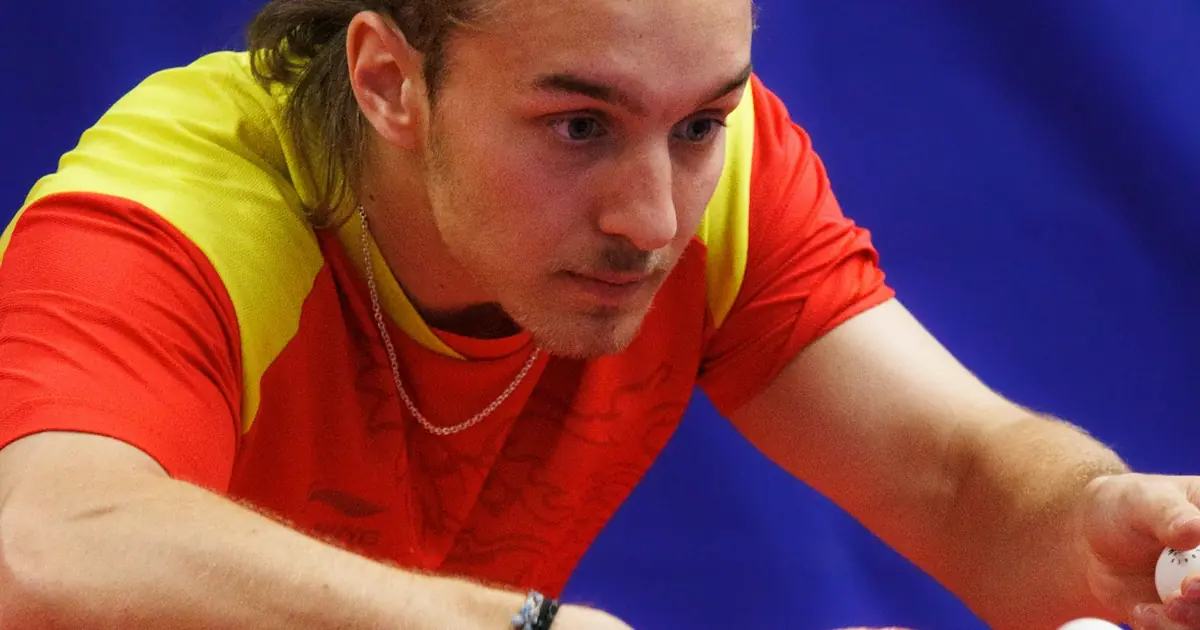
Placement often matters more than speed. USATT Hall of Famer Larry Hodges, writing for Butterfly, notes that coaches usually talk about three main targets (wide forehand, wide backhand and the middle) and argues for five, adding the forehand and backhand corners as safer targets that give more table.
The Three Core Targets
| Target | Why It Works | When to Use It |
|---|---|---|
| Wide forehand | Pulls the opponent off the table on the forehand side and opens the backhand | After you have drawn them to the backhand; when they are slow to cover the forehand |
| Wide backhand | Often weaker and more cramped; most players have less power here | As a default rally target against many club players; to open the forehand |
| Playing elbow (crossover point) | The opponent has to choose forehand or backhand, which costs time | On attacking balls, especially against players who stand square or block a lot |
The playing elbow is the spot near the racket-arm elbow where a player switches from backhand to forehand. Hodges recommends attacking the middle until you get a ball you can put away to a corner, because opponents react more slowly there and are pulled out of position. The exact point moves: it shifts toward the backhand side against players with strong forehands and the other way against strong backhands.
Change Direction Late
Set up as if you are going crosscourt, then go down the line. Crosscourt has more table, so it is the safer default. Down the line is shorter and riskier, so save it for when the opponent is leaning the wrong way. Good footwork gives you time to hold your shot and disguise the direction.
Vary Spin, Speed and Length
Rhythm is comfort. Once an opponent gets used to the same ball, they start making fewer mistakes. Break the rhythm in four ways:
- Spin: Alternate heavy backspin and light or no-spin pushes. A no-spin ball that looks heavy usually gets lifted high. The basics of reading and creating spin are in our table tennis spin guide.
- Speed: Mix a slow, heavy loop with a fast one. The change of pace forces timing errors, especially from blockers.
- Length: Short balls bring the opponent in; deep balls push them back. Short then long is a classic pattern.
- Height and arc: When not attacking, keep the ball low. A high ball is an invitation to a smash.
Tactics Against Different Playing Styles
Use the warm-up to study your opponent: which side is stronger, whether they stay close or back off, and what rubber they use. Ask to see their racket if it is unclear; a mix of colors and textures can mean pimpled or anti-spin rubber.
| Opponent Style | What They Want | Plan Against Them |
|---|---|---|
| Looper (topspin attacker) | Long balls to loop | Serve and push short and low, block to the wide angles and elbow, counter when they loop slowly |
| Blocker | Your pace to redirect | Vary spin and speed, slow heavy loops, push short to make them start the attack, target the elbow |
| Chopper (defender) | Long rallies and your errors | Be patient, mix heavy and light loops, drop short to bring them in, attack the middle, smash only high balls |
| Long pips player | Your spin to send back reversed | Use light or no-spin balls to the pips, attack the inverted side, expect backspin after your topspin |
| Pusher | Endless backspin rallies | Loop the long pushes, push short when they come in, keep attacking low balls with control |
Against Loopers
Attackers love long balls. Deny them with short serves and short pushes, and when they do loop, block to the angle away from where they finished. Slow first loops can be counter-hit. Fast exchanges suit them, so do not race them unless that is your strength too.
Against Blockers
Blockers use your pace against you, so hitting harder usually helps them. Loop slowly with heavy spin, then speed up the next ball. Push to them so they have to create pace themselves, and aim at the elbow, where the block angle is hardest to control.
Against Choppers
Defenders stand back and return topspin with heavy backspin. Lift each chop with spin rather than flat hitting, and change the spin of your loops so they cannot judge how much backspin to put on. A drop shot that lands short pulls them forward; the next ball deep catches them out of position. Our table tennis chop guide shows what a chopper is trying to do.
Against Long Pips
Long pimples tend to return your spin in a different form: heavy topspin often comes back as backspin, and backspin can come back as light topspin. Players who use them usually combine inverted rubber on one side with long pips on the other, so find out which side is which. No-spin and light balls to the pips side give the pips little to work with. See our long pips guide for more.
Against Left-Handers
Your usual patterns flip. A crosscourt backhand from a right-hander now goes to a left-hander's forehand. Before the match, decide which crosscourt exchange you want and where their backhand corner and elbow actually are.
Doubles Tactics in Brief
Doubles changes everything because partners must hit the ball in turn, and the serve has to go from the server's right half to the receiver's right half. Our table tennis doubles rules page covers the order of play in full.
- Serve short. The diagonal serve rule makes long serves easier to read and attack.
- Signal serves. Many pairs agree on spin and placement with a hand signal under the table so the partner can prepare the third ball.
- Move out of the way. After you hit, step aside so your partner has room.
- Hit back toward the player who just played. They may block their partner's path to the ball.
- Pair styles thoughtfully. A right-hander and a left-hander often find movement easier because they get in each other's way less.
The Mental Game
Tactics only work if you can think clearly under pressure.
- Have a routine between points. Turn away, breathe, decide the next serve or receive, then step in.
- Never change a winning game. If a serve or pattern is working, keep using it until the opponent proves they can handle it.
- Always change a losing game. If you are behind, try a different serve, target or pace rather than just trying harder.
- Use the time-out. Under ITTF rules each player or pair can claim one time-out of up to 1 minute per match. Use it to stop a run of points or reset a plan.
- Play the score. From 10-10 each player serves one point in turn, so every serve counts. Choose your most reliable serve, not your riskiest.
- Judge errors fairly. A missed attack on the right ball was a good decision. A missed attack on the wrong ball is the habit to fix.
How to Win More Points Against Friends and at the Club
Casual Games
Most recreational players have not learned to read spin, so a short backspin serve or sidespin serve often wins the point directly or produces a high return. Keep the ball low and toward the backhand, aim at the middle when they stand square, and resist trying to smash every ball. In casual play, consistency wins most games because the opponent usually misses first.
Club Matches
Club players can handle basic spin, so the edge comes from placement and variation. Plan your first two serves before the match, scout the opponent in the warm-up, and after each game ask one question: where am I winning and losing points? A short list of tactics you execute well beats a long list you half-remember. For the training side, see how to get better at ping pong and build tactics into your practice sessions.
Common Tactical Mistakes
| Mistake | What Happens | Fix |
|---|---|---|
| Hitting every ball to the same spot | Opponent settles into rhythm | Rotate between wide angles and the elbow |
| Attacking low backspin balls flat | Ball goes into the net | Loop with spin or push and wait for a better ball |
| Serving without a plan | No advantage from the serve | Decide your third ball before you toss |
| Changing a tactic that is winning | Gives the opponent a way back | Keep using it until they adjust |
| Hitting harder when behind | More unforced errors | Change spin, placement or pace instead |
| Ignoring the opponent's racket | Surprised by pips or anti-spin | Check rubber types in the warm-up |
Putting Your Strategy Together
Pick two serves and one third-ball attack, learn the three core targets, and practice changing spin and pace on purpose. Then add a plan for each style you meet most often. If you are newer to the sport, build these tactics on top of solid strokes.
Frequently Asked Questions
What Is the Best Strategy in Ping Pong?
For most players it is a serve and third-ball plan: serve short so the opponent cannot attack, then attack their return. Combine that with smart placement to the wide corners and the playing elbow, and keep the ball low and consistent when you are not attacking.
How Do You Win at Ping Pong Against Friends?
Most casual players struggle with spin, so short backspin and sidespin serves win plenty of points on their own. Keep the ball low, aim at the backhand and the middle, and let them make the mistakes instead of trying to smash every ball.
Where Is the Best Place to Hit the Ball in Table Tennis?
The three key targets are the wide forehand, the wide backhand and the playing elbow, the crossover point where the opponent has to choose between forehand and backhand. Changing between them pulls the opponent out of position.
What Is the Third-Ball Attack?
The serve is the first ball, the receive is the second and your next shot is the third. A third-ball attack means serving so the return is predictable, then attacking that return with a loop, flick or smash.
How Do You Beat Someone Who Just Blocks Everything?
Vary spin and pace rather than hitting harder. Mix slow, heavy loops with faster ones, push short to make the blocker start the attack, and target the playing elbow, where blocking angles are hardest to control.
Can You Call a Time-Out in Table Tennis?
Yes. Under ITTF rules each player or pair may claim one time-out of up to 1 minute during an individual match. It is a useful tool to break an opponent's run of points or to reset your own plan.