Ping Pong Smash: How to Hit a Kill Shot That Ends the Rally (2026)
 By Harshwardhan · Updated
In This Article
- What a Ping Pong Smash Is and When to Use It
- When Is a Ball Smashable?
- Grip and Ready Position
- Forehand Smash: Step-by-Step Mechanics
- Smashing Lobs and High Backspin
- Backhand Smash
- Common Smash Mistakes and Fixes
- Smash Drills
- How to Defend Against a Smash
- Smash or Loop Kill? The Modern Picture
- Frequently Asked Questions
What a Ping Pong Smash Is and When to Use It
A ping pong smash is a fast, flat attacking shot you play when your opponent sends back a ball that bounces too high or lands too close to the net. You hit it forward and slightly down with the whole body, aiming for speed rather than spin, so the opponent has no time to react. It is nearly always a forehand stroke, although a backhand version exists.
Offensive players often think of a rally as a build-up to the winning smash. The shot looks simple, but it is a precision stroke: most missed smashes come from swinging too hard, contacting the ball in the wrong place or trying to smash a ball that was never smashable in the first place.
Quick Facts
- Main goal: Maximum ball speed, usually with minimal spin
- Usual wing: Forehand; the backhand smash is shorter and less powerful
- Best contact height: Around shoulder height, at or just after the top of the bounce
- Typical targets: High balls, balls that sit up near the net, and lobs
- Modern trend: Top players finish with loop kills more often than flat smashes
When Is a Ball Smashable?
The single biggest decision is whether to smash at all. A ball that rises above net height lets you hit downward into the table, which is what makes a flat smash safe. The lower the ball, the less margin you have, and the more spin starts to matter.
| Incoming Ball | Smash? | Better Option If Not |
|---|---|---|
| High ball, any spin, above shoulder height on the bounce | Yes, the classic smash ball | None needed |
| Ball that sits up close to the net | Yes, often with a short, compact swing | Flick if it stays low |
| High defensive lob from far back | Yes, with patience and placement | Loop it if your timing is off |
| High backspin ball | Yes, with a slightly open face and some lift | Loop |
| Ball at or below net height | Rarely | Loop, drive or push |
| Low, heavy backspin | No | Loop or push |
If you cannot yet loop, the smash is your main way to attack a high ball. If you can loop, a loop kill is often the safer finisher on medium-height balls, and the flat smash is best saved for genuinely high ones.
Grip and Ready Position
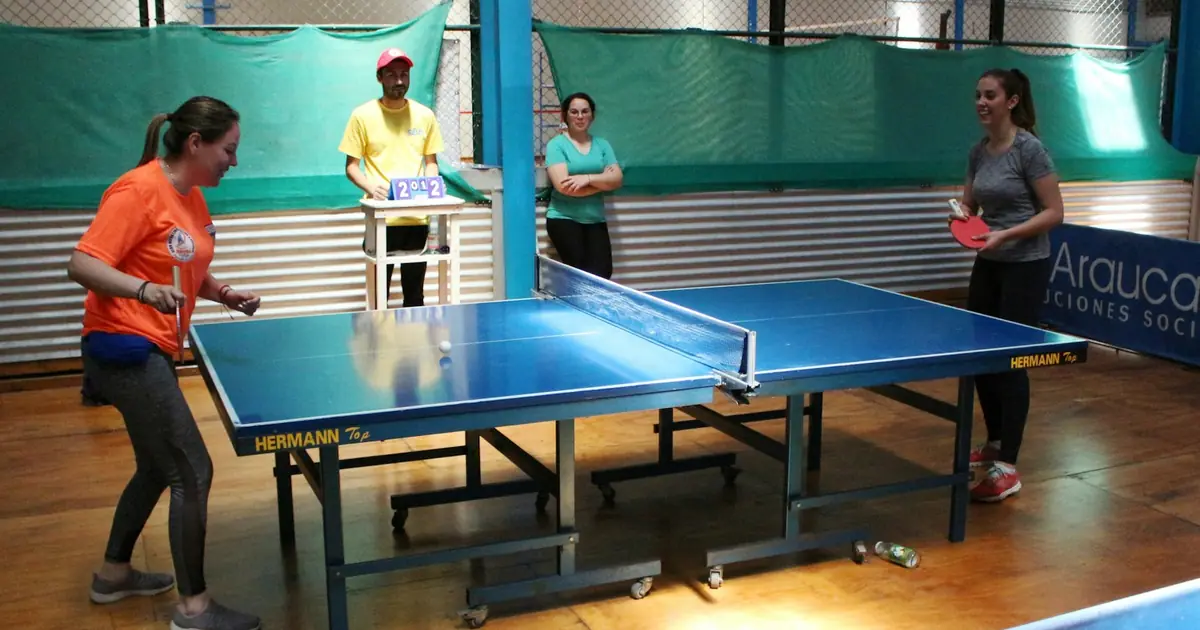
You do not need a special grip. Use your normal shakehand or penhold grip from our table tennis grips guide, held relaxed rather than tight. A tight grip stiffens the arm and makes the swing jerky. Wikipedia notes that the smash is used more often by penhold players, but shakehand players smash just as effectively.
Stand in a balanced ready position, feet a little wider than shoulder width, knees bent and weight on the balls of the feet. When you see a high ball coming, move early. Good table tennis footwork is what turns an awkward reach into a comfortable smash.
Forehand Smash: Step-by-Step Mechanics
Directions below are for a right-handed player; left-handers can mirror them. The stroke builds on the basic table tennis forehand drive, with a higher backswing and more body rotation.
- Get side-on. Step so your left foot is ahead of your right and your body is turned sideways to the table, a little further back than for a normal drive. Do not let the ball get too close to your body.
- Load the back leg. Shift your weight onto the right foot and rotate the hips and shoulders back. Most of the power comes from unwinding this turn, not from the arm.
- Take the racket back and up. Bring the racket back behind the line of the ball and raise it above the expected contact point, so you can come down onto the ball. Use the same backswing every time; an inconsistent backswing is one of the most common reasons smashes spray.
- Wait for the right moment. Let the ball reach the top of its bounce or start to drop to around shoulder height. Taking it too early off the bounce or above head height adds risk.
- Uncoil from the ground up. Push off the back foot and rotate legs, hips, waist and shoulders, with the forearm last. Keep the wrist fairly firm for accuracy.
- Contact in front of the body. Meet the ball in front of you with the face slightly closed and nearly perpendicular to the direction of the swing, driving forward and down. A small upward brush adds a little topspin, which helps the ball dip onto the table.
- Follow through toward the target. Let the racket finish forward and across, around head height, with your weight now on the left foot. Do not stop at contact, but do not wrap far past your opposite shoulder either.
- Recover immediately. Return to the ready position. A good defender can send a smash back, and a second or third smash is often needed.
Smashing Lobs and High Backspin
Against a Lob
A defensive lob can climb around five metres before dropping onto your side with heavy spin, and the unpredictable kick is what makes it hard to put away. Step back from the table to give yourself room, let the ball bounce and drop to a comfortable height, and play a full forehand smash. Placement matters more than raw speed:
- Aim wide to the corners or straight at the playing elbow, where the defender must decide between forehand and backhand.
- Vary direction from smash to smash so the lobber cannot settle into one spot.
- Expect the ball back. Recover after every smash rather than admiring it.
- If the lob is very short and high, a controlled overhead hit is safer than a jump smash.
Against High Backspin
Backspin pulls the ball down off your racket, so a smash aimed straight into the table tends to hit the net. Open the face slightly, contact the back of the ball and add a little upward lift as you drive through. The higher the ball, the less you need to adjust. When backspin is heavy and the ball is only medium height, loop it instead; see our guide to table tennis spin for why the ball behaves this way.
Adjusting for Spin at a Glance
| Incoming Spin | Racket Angle | Swing Path |
|---|---|---|
| Topspin | Closed | Forward and down |
| No spin (float) | Slightly closed to vertical | Mostly forward |
| Backspin | Slightly open | Forward with some lift |
| Sidespin | Angle against the spin | Aim slightly to the side the ball will kick away from |
Backhand Smash
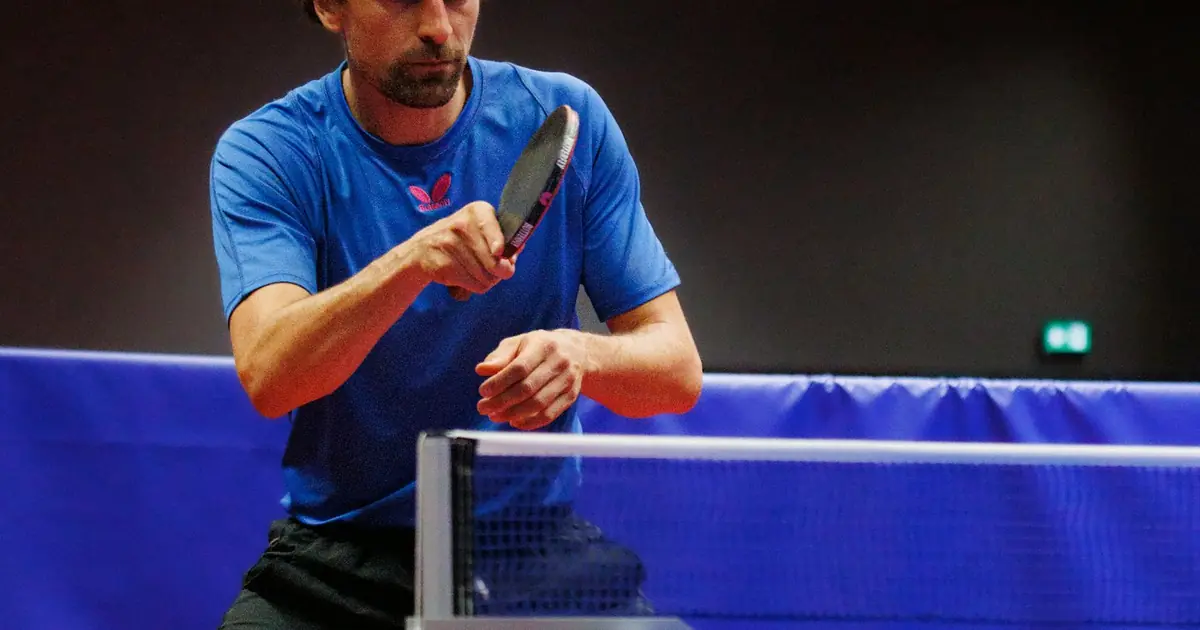
The backhand smash is shorter and less powerful than the forehand because the body cannot rotate as far. It is most useful when a high ball lands on your backhand side and there is no time to step around for a forehand. It builds on the flat table tennis backhand drive.
- Square up a little. Stand fairly square to the table with the racket in front of your body, knees bent.
- Raise the racket. Bring it back toward your body at about shoulder height, elbow in front and slightly away from your side.
- Turn slightly. Rotate the waist a little toward the backhand side, much less than for a forehand smash.
- Drive forward and down. Uncoil and push the forearm forward in a straight line, contacting the ball around shoulder height with a flat, slightly closed face. A small flick of the wrist adds pace.
- Follow through toward the target. Finish with the racket pointing where you aimed, then recover.
Avoid using the backhand smash on balls above head height, where a forehand smash is stronger, and on low, heavy backspin, where it lacks the power to lift the ball safely.
Common Smash Mistakes and Fixes
| Mistake | What Happens | Fix |
|---|---|---|
| Swinging as hard as possible | Technique breaks down and balls spray | Use about 80% effort and build speed gradually |
| Arm-only stroke | Little power, sore shoulder | Load the back leg and rotate hips and shoulders |
| Standing too close to the ball | Leaning back, cramped swing, ball goes long | Step back early and contact in front of the body |
| Racket face too open | Ball flies off the end | Close the face and hit forward and down |
| Different backswing every time | Inconsistent contact | Groove one backswing position |
| Hitting above head height | Awkward contact, poor control | Let the ball drop to around shoulder height |
| Smashing low or heavy backspin balls | Ball into the net | Loop or push instead |
| Stopping after contact | Not ready for the return | Follow through and recover at once |
Smash Drills
Smashing is easiest to learn with a partner feeding high balls or with multiball. Add these to your ping pong practice sessions:
- Shadow smash. Without a ball, rehearse the footwork, body turn and follow-through 20 to 30 times until the motion feels smooth.
- Fed high balls to one target. Your partner feeds high balls to the forehand; you smash crosscourt at moderate pace into a towel-sized target zone. Raise the pace only when most land.
- Alternate targets. Smash crosscourt, then down the line, then at the elbow, so you learn to place the ball from the same setup.
- Lob rally. Your partner backs off the table and lobs; you keep smashing at controlled pace. This builds patience and recovery.
- Push, then smash. Push the ball until your partner deliberately returns a high backspin ball, then smash it with an open face and lift.
How to Defend Against a Smash
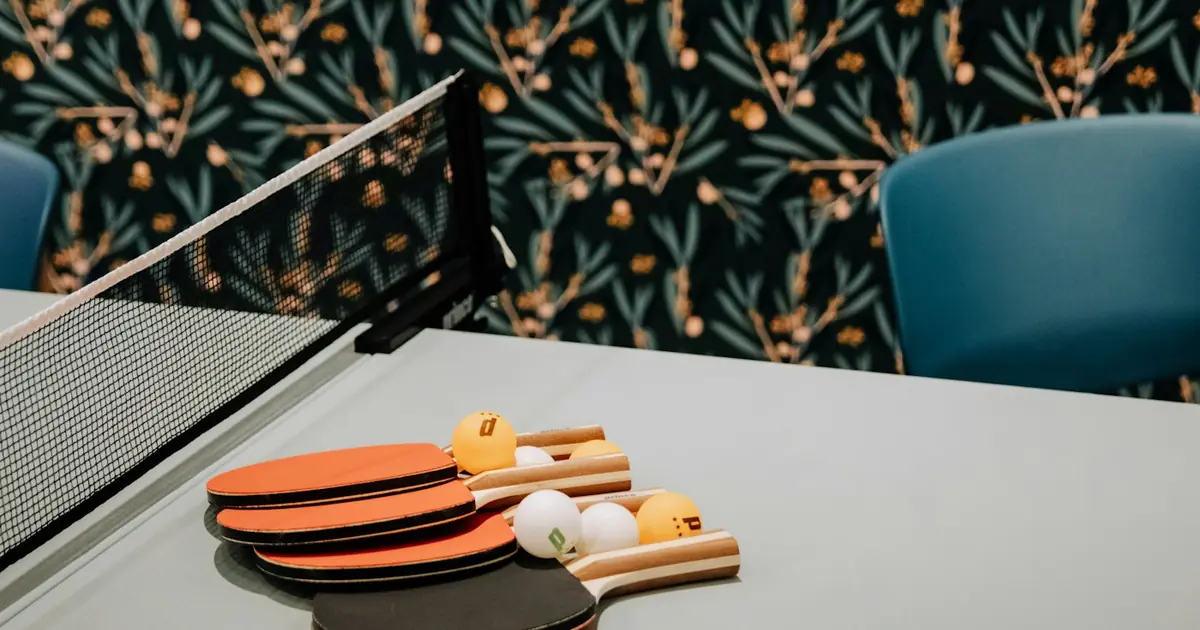
You will not return every smash, but you can return more of them. Watch the opponent's backswing and body turn for clues to direction, step back to buy time, and keep the racket in front of you. Against a smash aimed at you, a short, firm table tennis block using the opponent's pace often works best. Further back, a high lob with heavy topspin can turn the rally into a test of the attacker's patience. The best defense is upstream: keep your returns low and short so the opponent rarely gets a smashable ball, as covered in our ping pong strategy guide.
Smash or Loop Kill? The Modern Picture
The flat smash was once the most important finishing shot in table tennis. In an October 2025 article for Butterfly, U.S. coach Larry Hodges argued that the kill has nearly died out at higher levels except for loop kills and attacks against lobs, because looping with heavy topspin is more consistent once it is developed. He also noted that at lower levels smashing is often easier than looping against high balls, and that hitters tend to do well as players get older. In practice, learn both: smash the genuinely high balls and loop the rest.
Frequently Asked Questions
What Is a Smash in Ping Pong?
A smash is a fast, flat, powerful attacking shot played against a ball that bounces high or lands close to the net. The aim is pure speed, so the opponent cannot react, and the ball usually carries little spin.
Is a Smash the Same as a Kill Shot?
In everyday use, yes. Kill is the common coaching word for any put-away shot. Many coaches also talk about a loop kill, a very fast topspin stroke that finishes the point with spin as well as speed.
Should You Jump When You Smash?
Usually not. Jumping can add reach against a very high lob, but it makes timing and balance harder. For most players, a well-timed smash with feet on the floor and a full body turn has more than enough power.
Can You Smash a Backspin Ball?
Yes, if it is high enough. Against a high backspin ball, open the racket slightly and add a little lift so the spin does not pull the ball into the net. Against low, heavy backspin, a loop or a push is the safer choice.
Why Do My Smashes Go Long?
Common causes are an open racket face, contact that is too far behind the body, or hitting straight forward without any downward or topspin component. Close the face slightly, contact the ball in front of you and keep the swing at about 80% effort.
Do Professionals Still Smash?
Less than they used to. At the top level most players finish with a loop kill because topspin adds safety, but high lobs are still often smashed, and flat hitting remains effective at club level.